European Coin Collecting Basics
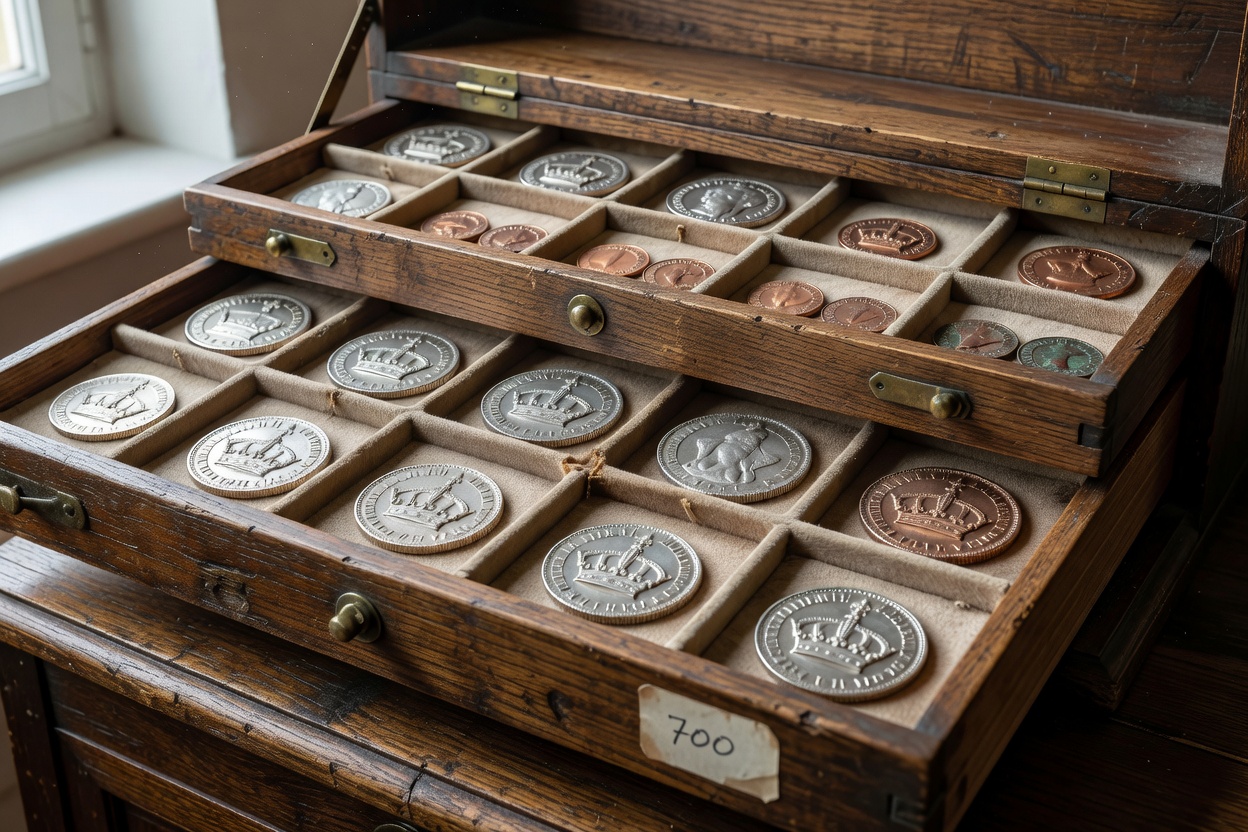
Understand denominations, strike mechanics, planchet metallurgy, and conservation protocols. Learn grading terms and archival storage methods.
A practical guide to European coins, numismatic museums, collecting events and collector communities.
Examine European coinage through five systematic areas of study. Each section provides practical methodologies without commercial inflation.
Understand denominations, strike mechanics, planchet metallurgy, and conservation protocols. Learn grading terms and archival storage methods.
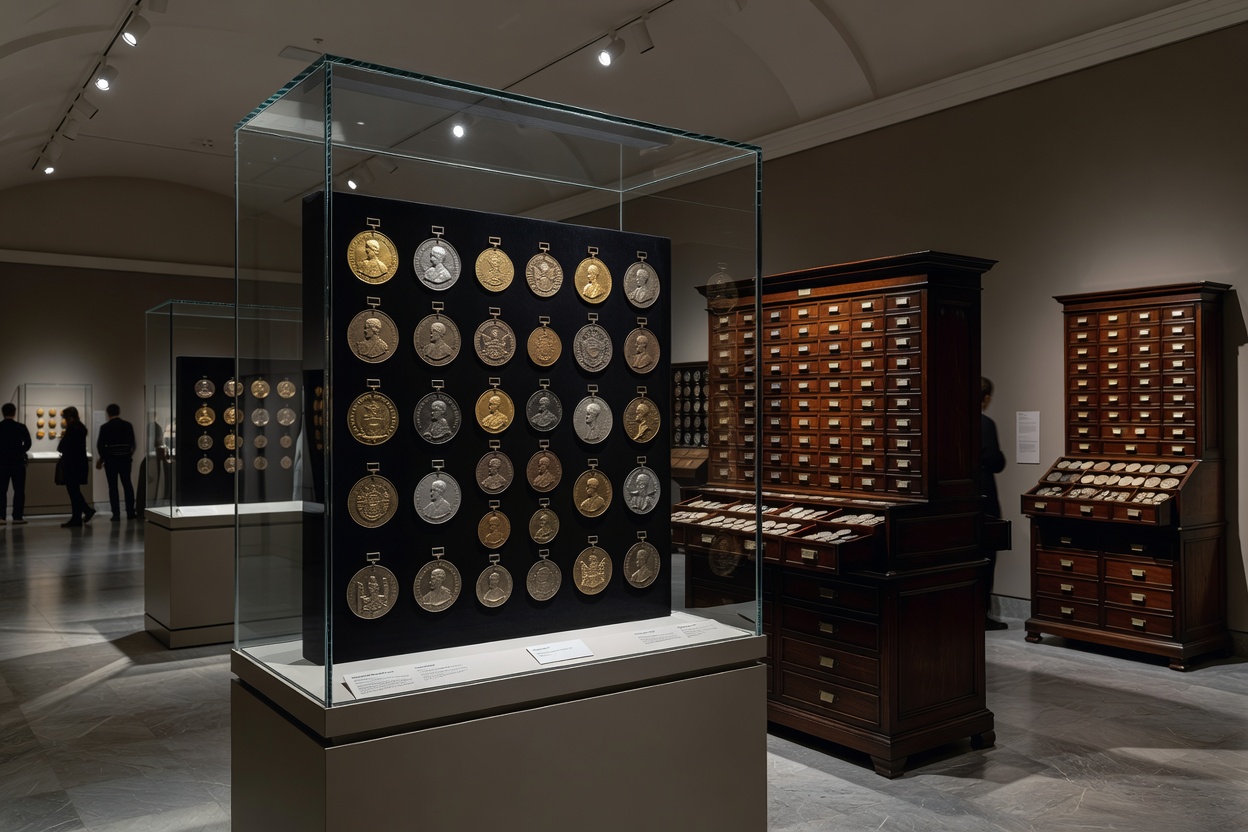
Review national coin cabinets, university collections, and public displays across Berlin, Paris, Vienna, London, and Madrid. Plan research appointments.
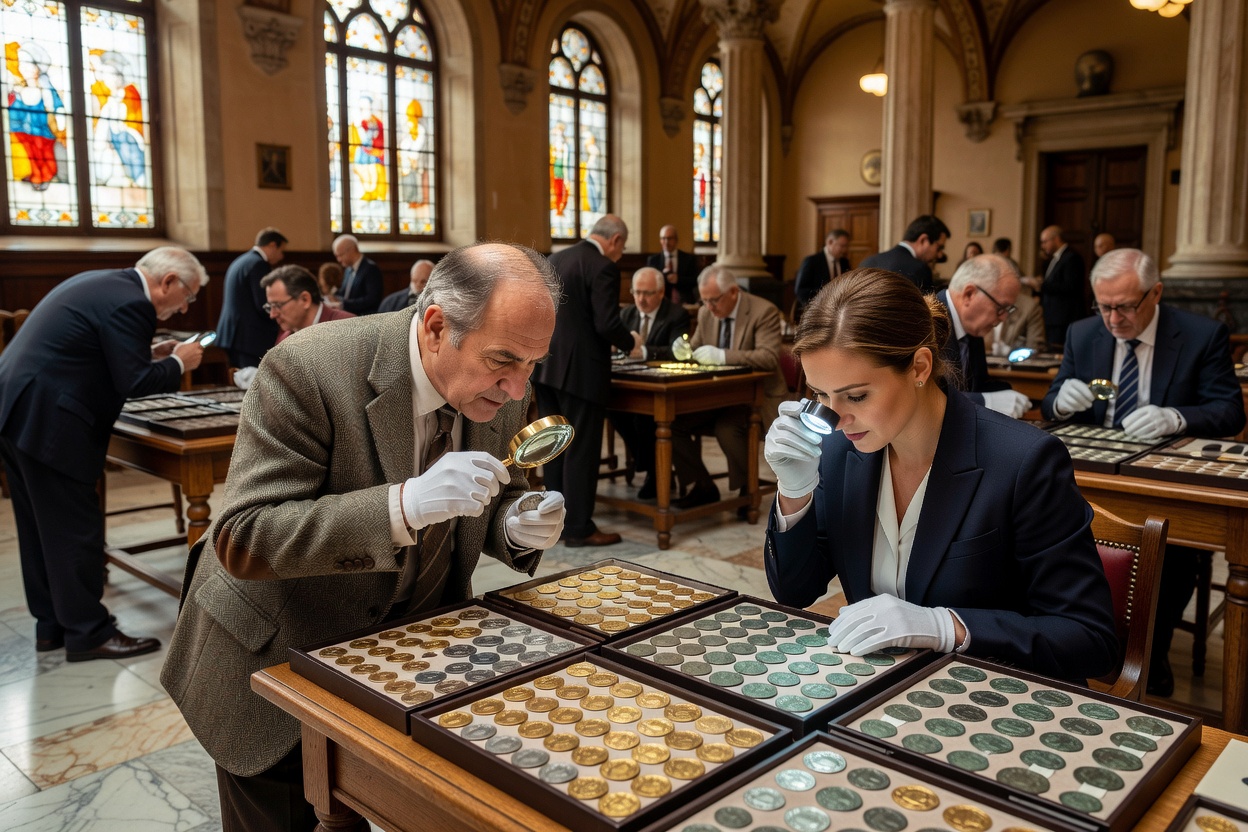
Navigate continental bourses, academic symposia, and regional fairs. Learn dealer etiquette, verification routines, and logistics before traveling.
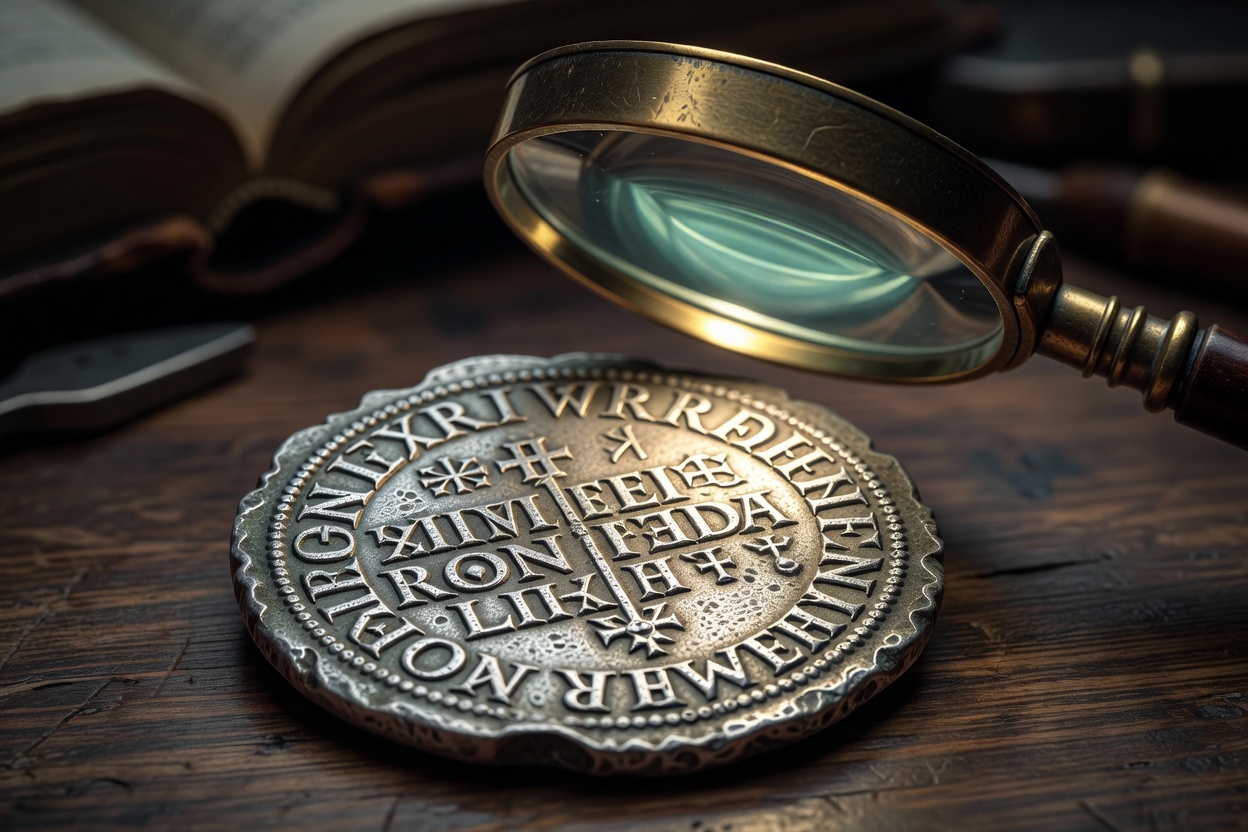
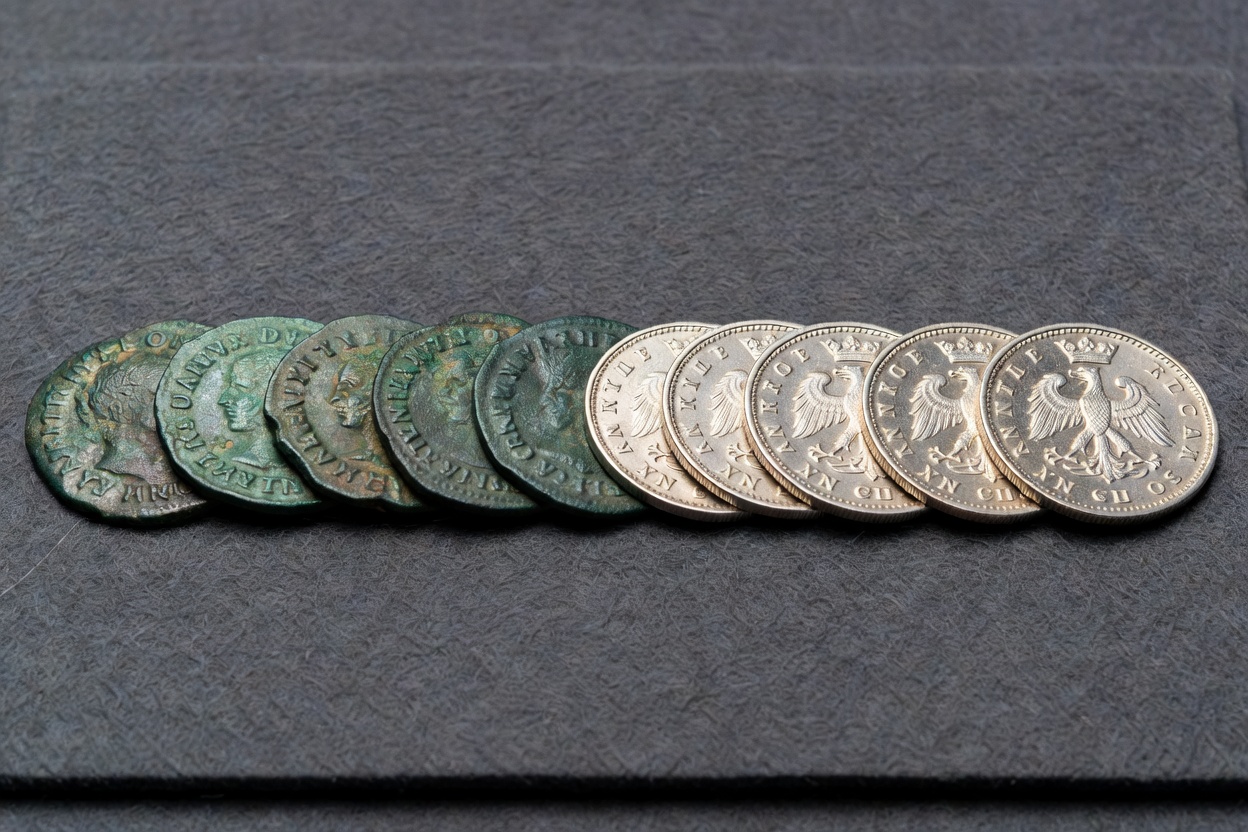
Examine Latin legends, mint marks, planchet weights, and edge lettering. Differentiate authentic strikes from contemporary debasements and restrikes.
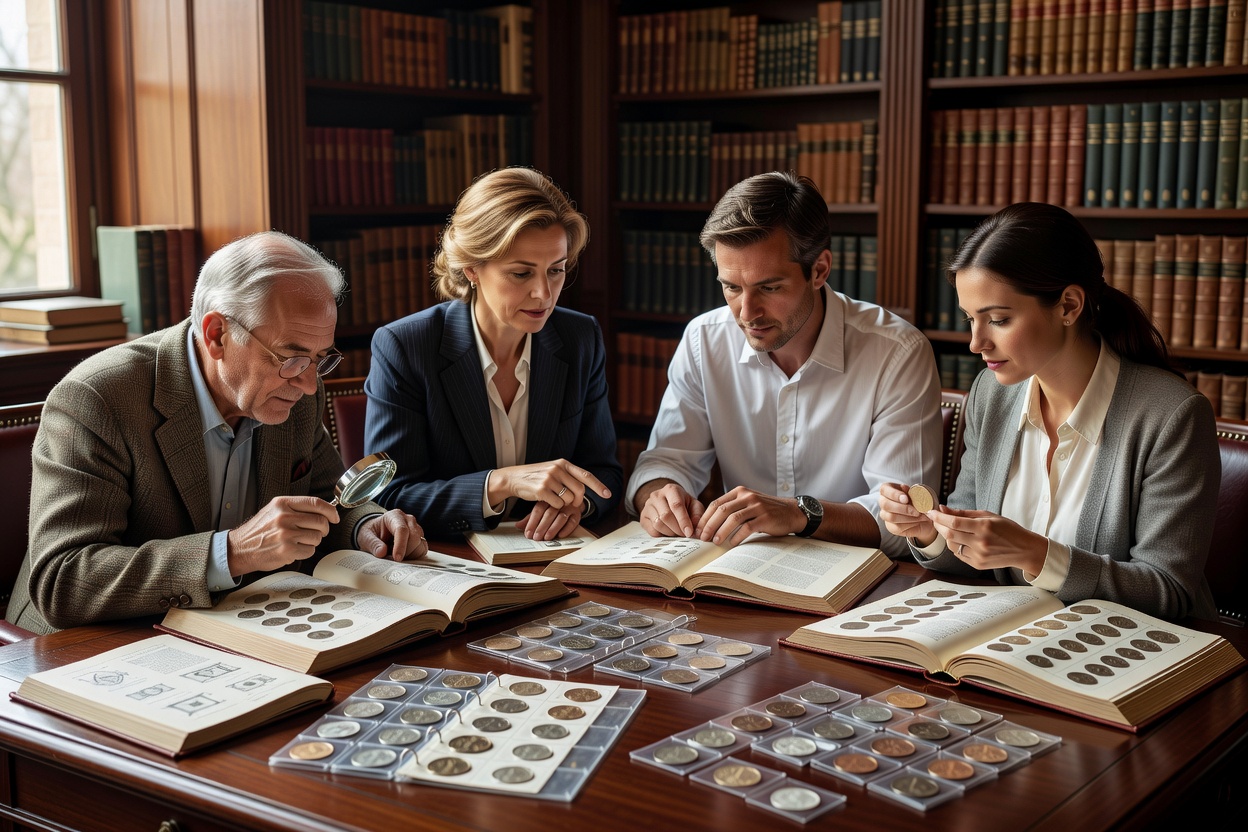
Locate national numismatic societies, specialized period study circles, and peer exchange forums. Share research without promotional distortion.
Discipline protects capital and historical value. Apply this sequential protocol to every acquired specimen.
Record diameter to 0.1 mm. Weigh to 0.01 g. Transcribe all obverse and reverse inscriptions.
Place into inert archival capsules. Avoid PVC flips. Assign a unique catalog registration identifier.
Consult standard reference volumes. Verify historical issuing authority, mint master initials, and die varieties.
Cross-reference museum cabinet specimens. Assess surface wear against established condition grading standards.
Submit doubtful dies to specialist study circles. Verify die links and publication citations with peers.