Coin Collecting Events in Europe
Commercial bourses and academic congresses provide direct physical access to material. Successful collectors prepare technical inspection kits and follow established trade protocols.
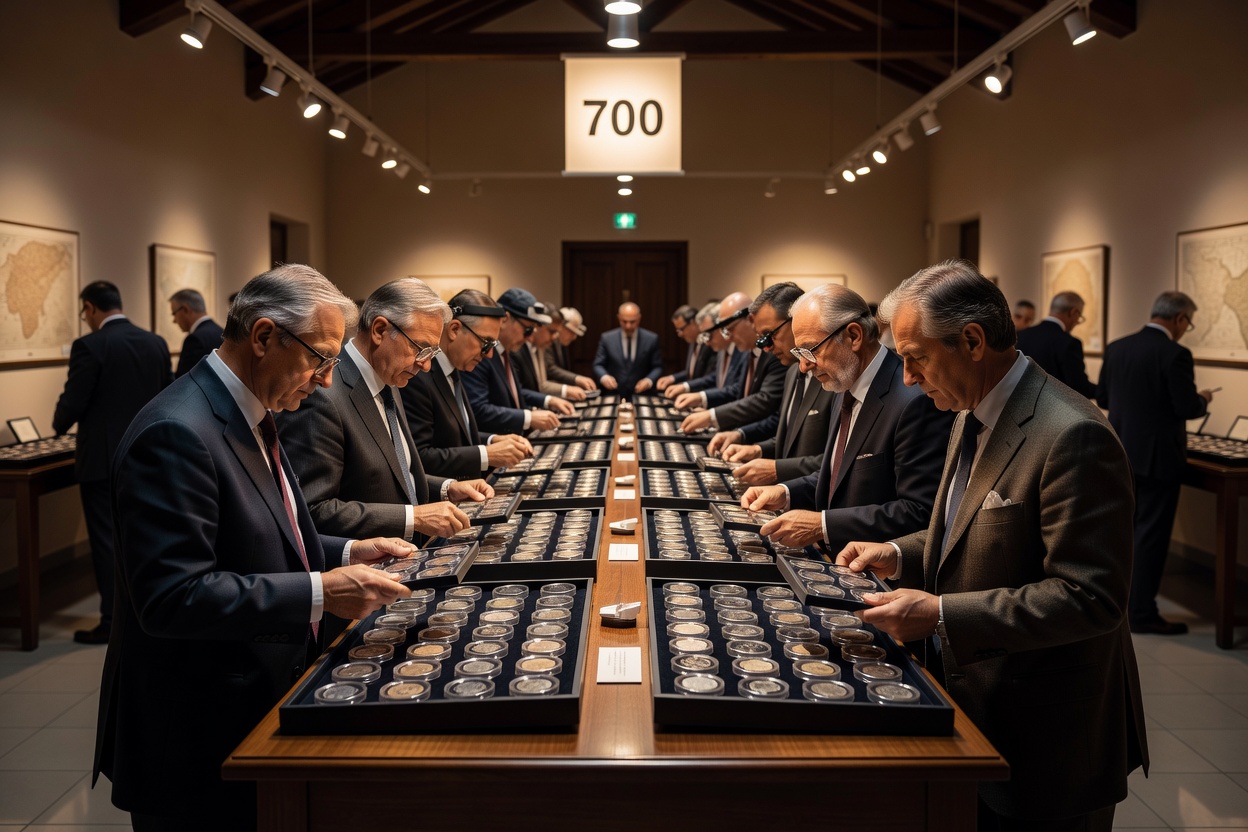
1. Types of European Numismatic Gatherings
European events split into three primary formats. First, international bourses (trade fairs) bring commercial dealers, national mints, and grading services under one roof for commercial trading. Second, auction viewings hosted by established auction houses allow hands-on inspection of cataloged lots prior to public bidding.
Third, academic congresses organized by universities and historical bodies emphasize papers on hoard analysis, metallurgical trace testing, and economic history rather than buying and selling.
2. Essential Field Equipment Kit
Never attend an event without your diagnostic instruments. Relying on dealer lighting and unassisted eyesight leads to missed tool marks or cleaned surfaces. Carry:
Achromatic Loupe (10x-20x)
A triplet lens with corrected chromatic aberration reveals hairline scratch clusters from abrasive polishing and cast bubble porosity.
Digital Pocket Scale (0.01g)
Check authentic weights against published catalog baselines. Significant underweight coins indicate counterfeit casts or debased alloys.
Neutral White LED Torch
Exhibition hall lighting is notoriously warm or dim. A focused 5000K daylight beam reveals true luster and hidden surface repairs.
Brass or Plastic Caliper
Measure flan diameters without scratching soft gold or silver edges. Avoid steel calipers on raw metal surfaces.
3. Dealer Table Protocol and Etiquette
Professional etiquette establishes credibility and mutual respect at the trading table:
- Ask Before Handling: Always request permission before picking up an unencapsulated coin or opening an album tray.
- Hold Over Velvet: Never hold an unencapsulated specimen over bare concrete or tile flooring. Keep your hands directly over the velvet inspection tray.
- Handle by the Rim: Never touch the central obverse or reverse fields with bare fingertips. Skin oils etch into raw silver over time.
- Document Provenance: Inquire about previous collection pedigrees, auction appearances, and export compliance documents.
4. European Cross-Border Compliance
Moving cultural goods across borders within the European Union requires awareness of Council Regulation (EC) No 116/2009 and national heritage statutes. In countries like Italy, Greece, and Germany, ancient coins discovered after specific cut-off dates require export licenses and documented provenance chains.
Always insist on formal itemized commercial invoices that include the seller's registered business identity, detailed item description, and documented prior ownership history.
Major Fairs vs. Regional Club Exchanges
Continental Bourses
- Hundreds of specialized dealer tables under one roof.
- Extensive choice of rare high-grade material.
- Direct access to third-party grading submission booths.
Local City Exchanges
- Lower price overheads and casual discussion pace.
- Stronger regional representation of local city-state mints.
- Smaller inventory volume and limited high-value items.
Good For
Active collectors who need to inspect physical strike luster in person and negotiate face-to-face with established European professional dealers.
What to Know
Never rush an acquisition in a busy aisle. Step away to consult your reference catalog notes before finalizing a purchase.